
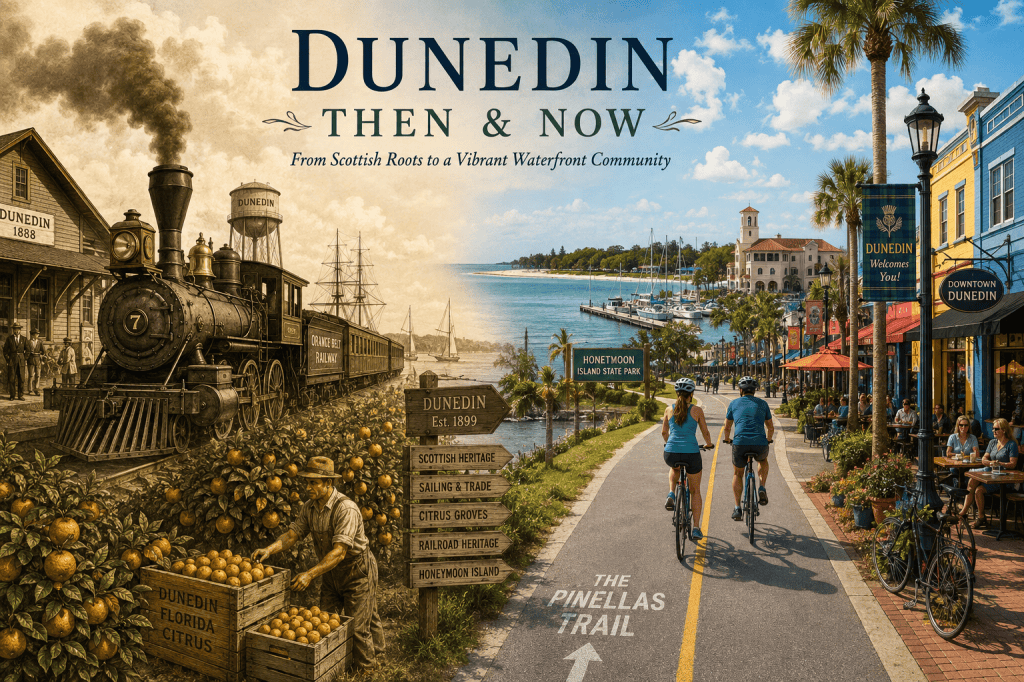
Dunedin’s unique personality doesn’t come from some modern master plan; rather, it has been emerging slowly over the past 150 years,
In the colorful downtown, there are shops and restaurants, uniquely designed buildings, breweries, a waterfront marina and very walkable streets. The Pinellas Trail runs right through the middle of downtown, and the beaches and undeveloped shoreline of Honeymoon Island and Caladesi Island are close by.
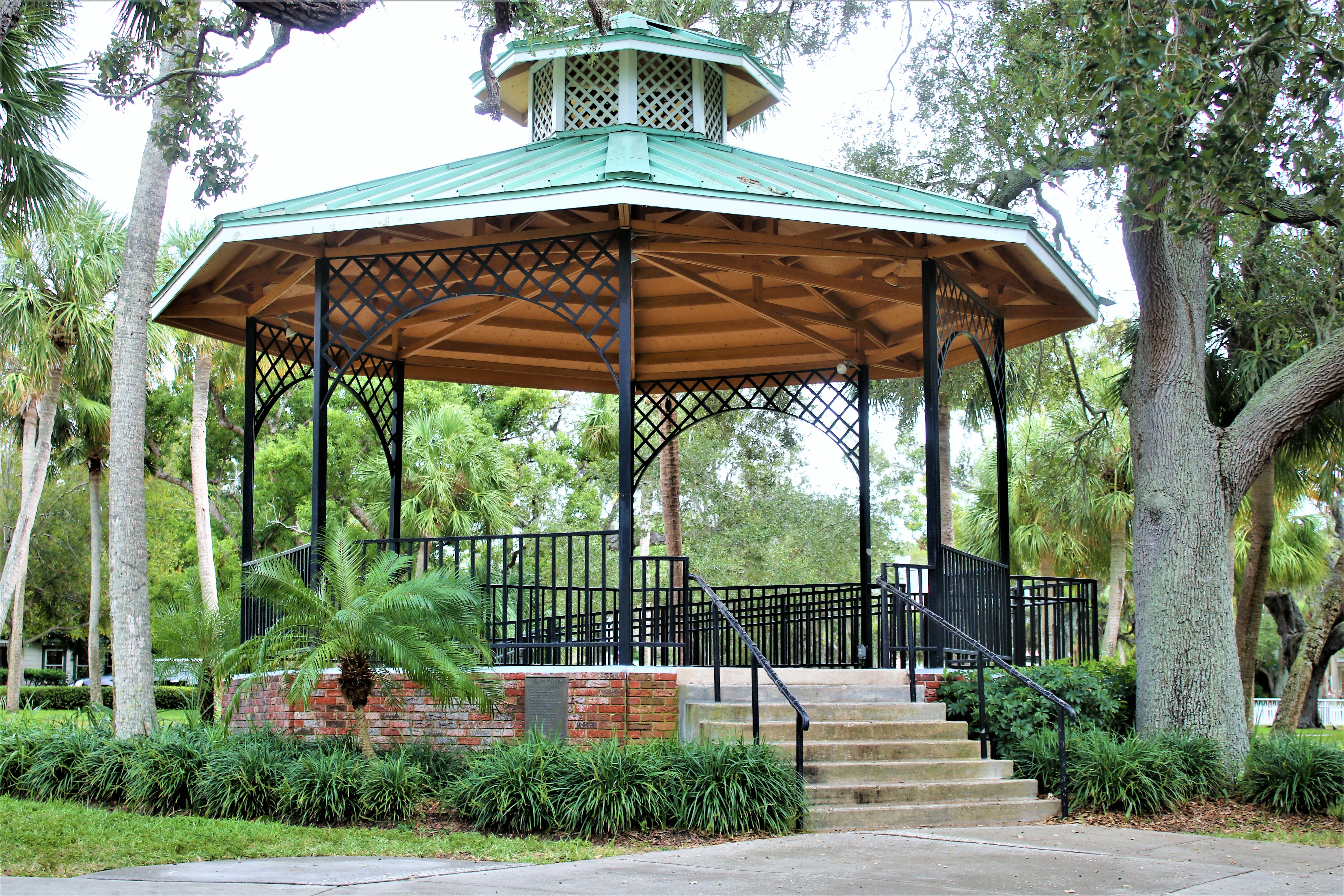
Long before Dunedin became one of the most recognizable communities on Florida’s Gulf Coast, it was a tiny waterfront settlement surrounded by cotton fields, citrus groves and wilderness.
A Little Bit of Scotland Comes to Florida
When Florida became a state in 1845, settlers were just beginning to establish homes along the waters of the Pinellas Peninsula. Among them were immigrants from Scotland. Two of them were John Douglas and James Somerville, who operated a general store near the waterfront in the 1870s.
When a post office was established, the community needed an official name, and the Scottish residents chose “Dunedin,” the Gaelic name for Edinburgh.
Today, Scottish traditions remain part of the community’s identity – everything from Highland games and Celtic celebrations to street names and the city’s close relationship with Stirling, Scotland.
Many Florida towns were named for developers, railroad executives, politicians or distant cities; Dunedin was named because two Scots wanted their little Gulf Coast settlement to reflect a connection to their homeland.
Before Main Street Was Main Street
Much of what became downtown Dunedin was once farmland. Cotton was an important early crop.
The waterfront provided Dunedin with an important connection to the outside world. Before railroads and paved highways, boats were the most common way to move people and goods along Florida’s Gulf Coast. Dunedin developed a substantial maritime trade, and became an important regional trading center. During those days, Dunedin had one of Florida’s largest fleets of sailing vessels.
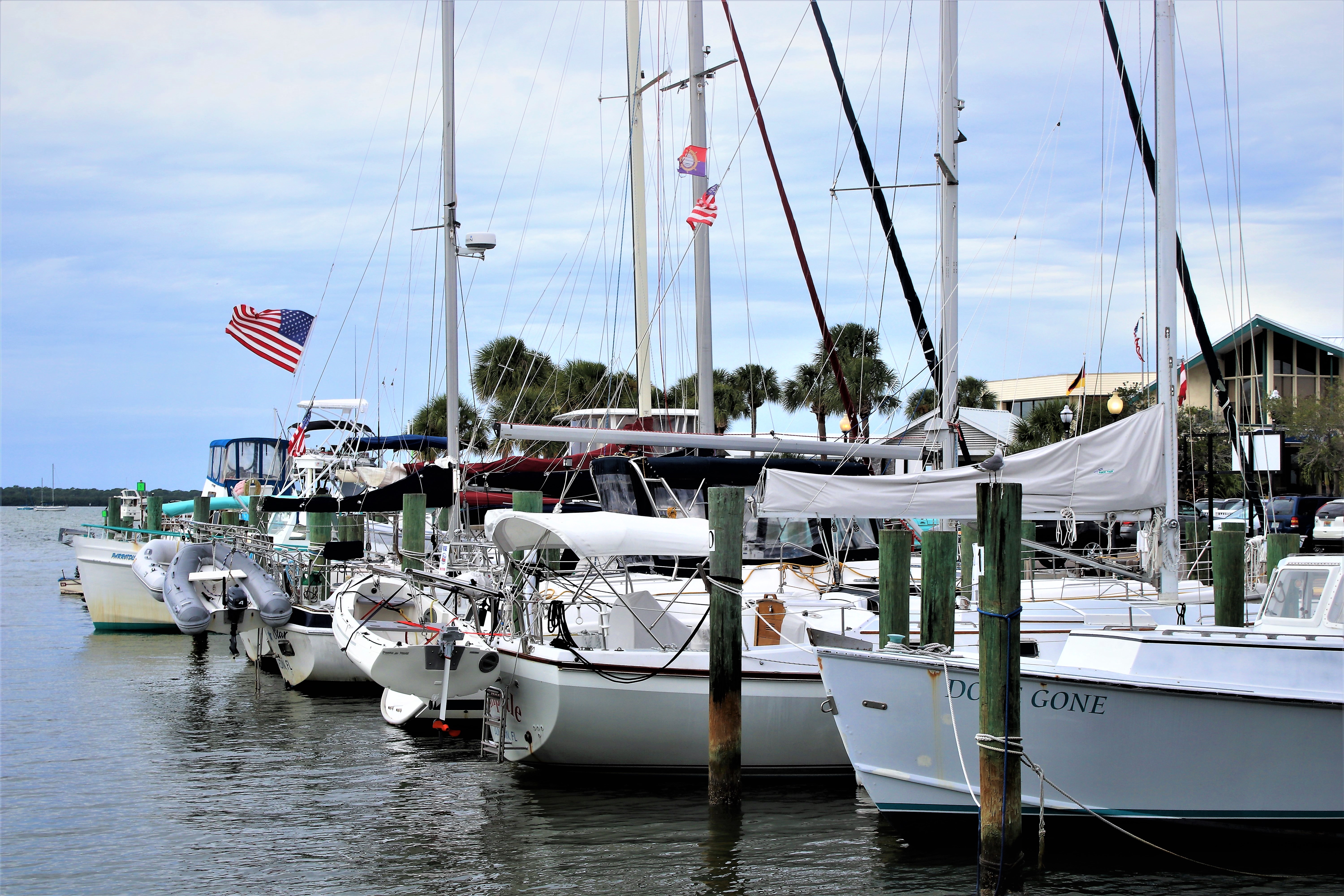
By the 1880s, orange groves were becoming increasingly important around Dunedin. Florida oranges could command good prices in northern markets, and the area’s climate was ideal for growing them.
The problem was not in the growing or harvesting of the oranges; it was in getting them to northern markets. But the arrival of the railroad changed all that.
The Railroad Changed Everything
In 1888, the Orange Belt Railway reached the Pinellas Peninsula, running through Tarpon Springs, Dunedin and Clearwater before continuing south to St. Petersburg. Oranges that once depended on boats could now be shipped by rail. Building materials and manufactured goods could come in more easily. Visitors could arrive from other parts of Florida and eventually from northern states.
Today, the old rail corridor through Dunedin hosts the Pinellas Trail, an important recreational asset that runs for 47 miles from one end of Pinellas County to the other.
The Great Freeze
During the winter of 1894–95, catastrophic freezes struck the state. Temperatures fell low enough to devastate citrus groves throughout the region, and Dunedin was hit hard. Orange trees that had taken years to establish were killed. Some growers lost everything and abandoned their properties.
Among the important figures in Dunedin’s citrus industry was L.B. Skinner, who had come to Florida from Wisconsin and purchased land for orange groves. After the freezes, Skinner acquired additional grove property and became involved not only in growing citrus but in developing machinery to process it. His Skinner Machinery Company eventually became a major manufacturer of citrus packing-house equipment.
A Town Becomes a City
Dunedin was incorporated in 1899, when the area was still part of Hillsborough County — Pinellas County would not be created until 1911. The Dunedin of the early 20th century remained a small town, but it increasingly attracted winter residents from the North. Just as it does today.
A Surprisingly Inventive Little City
Dunedin played an important role in the development of frozen concentrated orange juice, a product that revolutionized the citrus business after World War II by making it practical to ship and store orange juice on an enormous scale.
Dunedin also became closely associated with professional golf. The Professional Golfers’ Association of America (PGA) established its national headquarters in Dunedin in the mid-20th century and remained there for a number of years.
The Fenway Hotel Era
The Fenway, a Mediterranean Revival-style hotel overlooking St. Joseph Sound, opened in the 1920s to take advantage of the area’s potential for tourism, winter visitors and leisure activities.
Like many grand Florida hotels, it experienced changing fortunes over the decades. It eventually closed and sat vacant for years, leading many residents to wonder whether the historic structure would survive.
In recent years, it was restored and reopened as a hotel, and is once again part of Dunedin’s waterfront landscape.
How Honeymoon Island Got Its Name
Honeymoon Island and neighboring Caladesi were once part of a larger barrier island known as Hog Island. A hurricane in 1921 cut through the island, helping create the two islands we recognize today.
In the late 1930s, businessman Clinton Washburn acquired the northern island with this goal in mind – to attract newlyweds to spend their honeymoons in small cottages on the island. The marketing campaign worked well enough that the name stuck, and Honeymoon Island was born. Eventually, the island became a state park. Today, Honeymoon Island State Park preserves miles of shoreline and natural habitat that could easily have become condos, hotels and subdivisions.
Caladesi Island followed a similar path and became a state park in the 1960s. Together, the islands provide Dunedin with something increasingly rare along Florida’s Gulf Coast: substantial stretches of barrier-island shoreline that remain largely natural.
The Downtown That Didn’t Disappear
During the decades after World War II, development patterns changed across America. Dunedin could have disappeared but, instead, residents took it in another direction. Historic buildings were preserved or reused. Restaurants and small businesses moved in. Festivals brought visitors downtown. The Pinellas Trail created a stream of pedestrians and bicyclists directly through the center of town.
That’s why Dunedin feels different from many Florida communities.
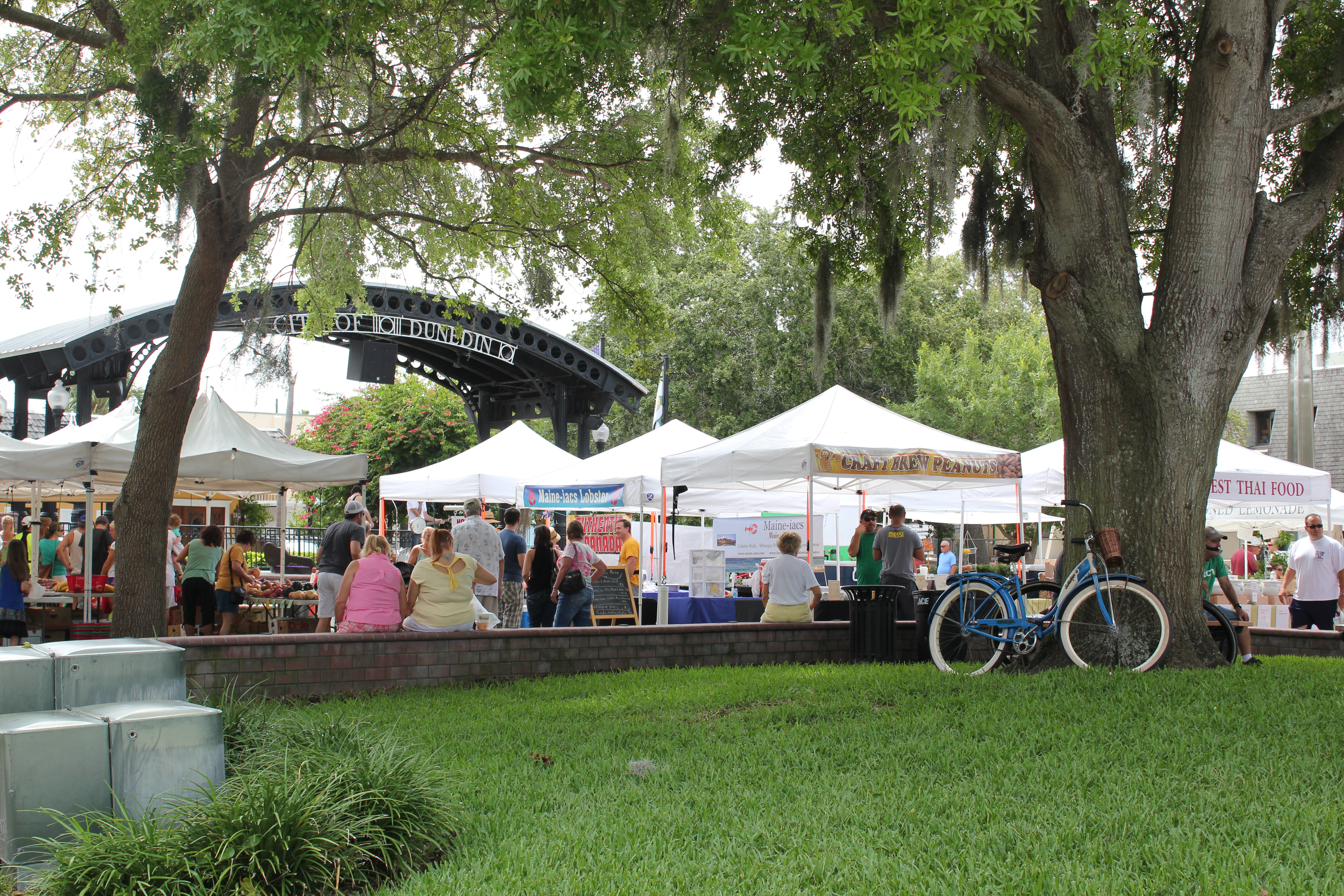
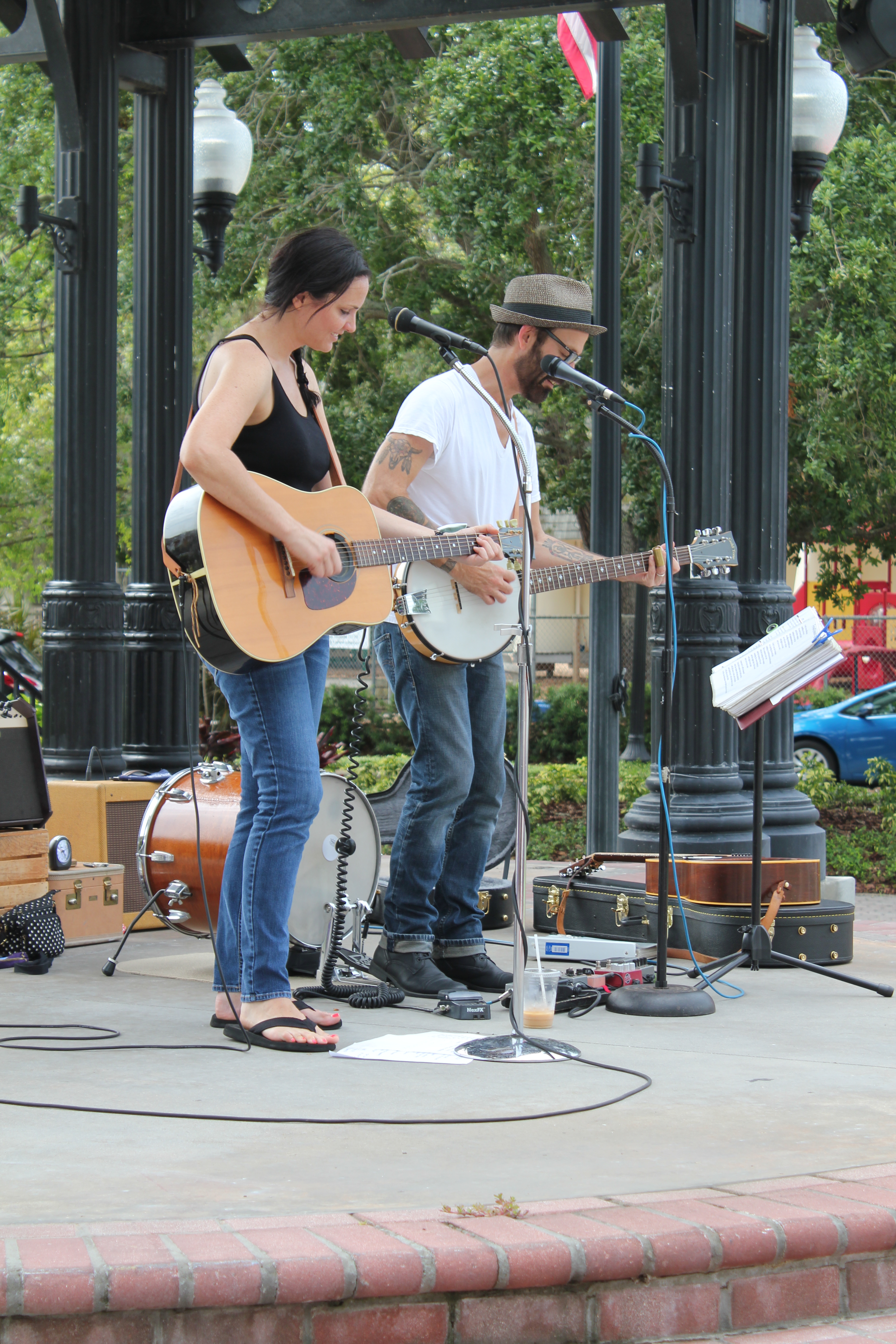
Why Dunedin Still Feels Different
Pinellas County today is home to nearly a million people, and much of it is part of a continuous urban landscape stretching from Tarpon Springs south to St. Petersburg. But Dunedin has managed to retain a remarkably distinct identity.
Part of that comes from geography. The Gulf and St. Joseph Sound define its western edge. Honeymoon and Caladesi islands provide natural escapes just offshore.
Another part comes from planning and preservation, and still another part comes from history.
Dunedin had an identity long before Tampa Bay became a major metropolitan area. That identity has had many components:
- It was a Scottish settlement.
- A sailing town.
- A citrus town.
- A railroad town.
- A winter resort.
- An industrial town.
- And eventually a tourism and recreation destination.
Each era left something behind, and those things have become part of what Dunedin is today.
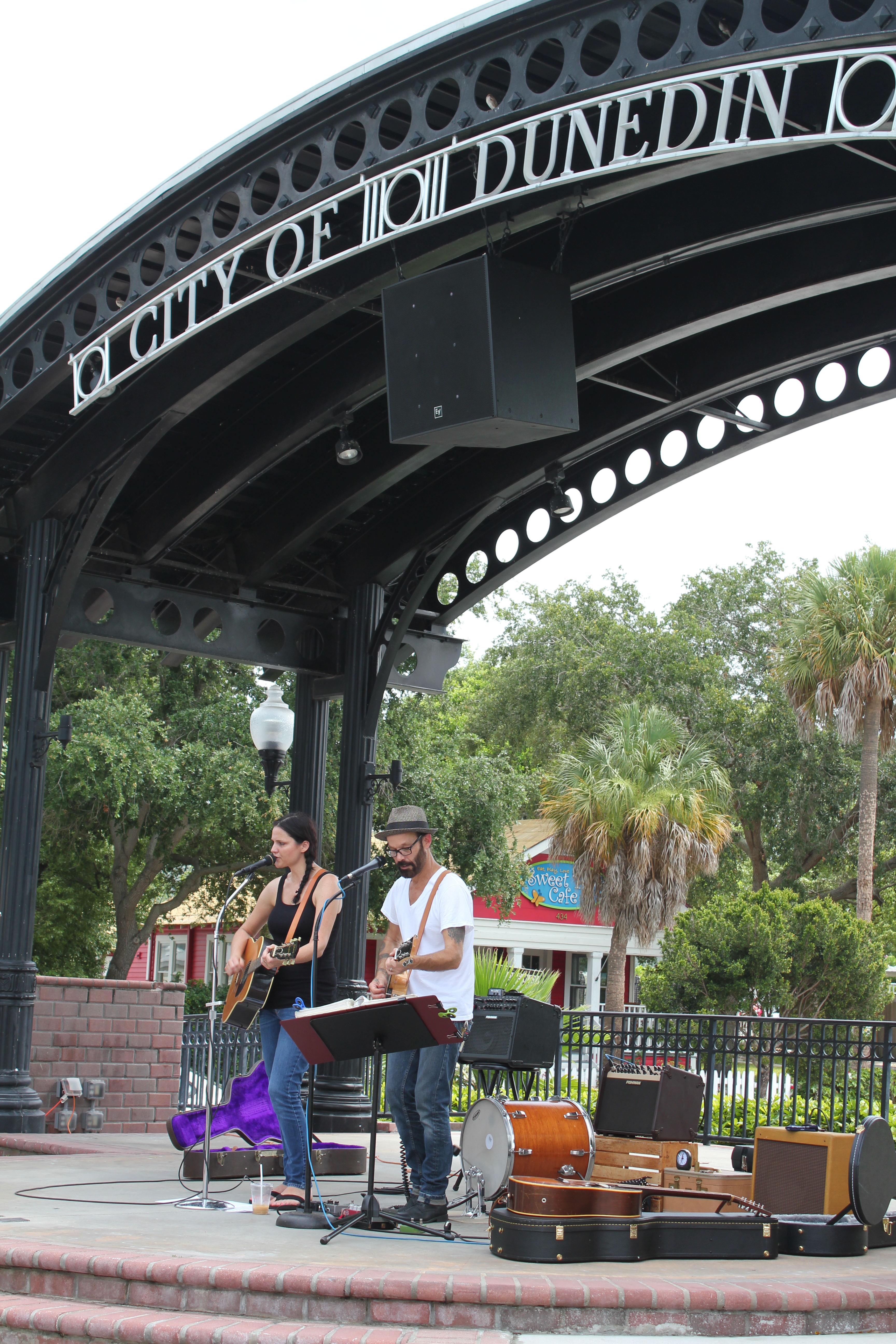
You Can Still See the Old Dunedin
Dunedin’s history isn’t confined to a museum:
- Walk the Pinellas Trail and you’re following the old railroad corridor.
- Visit the waterfront and you’re looking at the same protected waters that made Dunedin attractive to sailing vessels more than a century ago.
- Drive through older neighborhoods and you’ll occasionally find houses dating from a Florida that existed before air conditioning, interstate highways and sprawling subdivisions.
- Stand near the Fenway and you can imagine the era when wealthy northern visitors arrived for an entire winter season.
- Cross the Dunedin Causeway and you’re traveling toward islands that narrowly escaped becoming another densely developed stretch of Florida coastline.
- When you hear bagpipes during one of Dunedin’s Scottish celebrations, you’re hearing an echo of the immigrants who gave the town its name.
Perhaps that’s the most remarkable part of Dunedin’s story. The Tampa Bay region grew around it, suburbs spread across Pinellas County, US 19 became one of Florida’s busiest commercial corridors, and millions of people moved to the region.
But somehow, tucked between Clearwater and Palm Harbor, Dunedin kept enough of its original scale and personality to remain recognizable as a town rather than simply another section of suburbia.
Dunedin isn’t simply a place near the Gulf of Mexico; it’s an actual community with a unique history and heartbeat.
Want to know more about living in Dunedin? Get in touch with Beth anytime: 727-643-7100 or bethfrederickRE@gmail.com
Photos by Bill Frederick


Leave a Reply