
Relocating to Clearwater, Florida: The Complete Relocation Guide
Thinking about making Clearwater your new home? As someone who knows these streets, beaches, and neighborhoods well, I can tell you Clearwater is more than a vacation spot — it’s a comfortable, coastal community with year-round sunshine, friendly people, and a laid-back lifestyle that still has plenty to do. This guide will walk you through what life here really looks like so you can decide if relocating to Clearwater feels like the right next step.
Welcome to Clearwater
Clearwater sits on Florida’s gorgeous Gulf Coast, just west of Tampa, with easy access to both Tampa and St. Petersburg. You’ll hear a lot about our award-winning beaches, but daily life here also includes walkable neighborhoods, a growing downtown, and plenty of local businesses that give the area its own personality. If you like the idea of warm winters, stunning sunsets over the water, and a relaxed pace that still offers good amenities, you’ll feel at home quickly.
Why People Love Clearwater
Talk to longtime residents and you’ll hear the same themes over and over about why they stay in Clearwater.
- Year-round sunshine: Mild winters and long beach days make outdoor living a reality almost every month of the year.
- A true coastal lifestyle: Boating, paddleboarding, fishing, and sunset strolls on the beach are all part of everyday life here, not just vacation activities.
- Manageable city size: Clearwater feels like a midsize town with big-city conveniences thanks to its proximity to Tampa and St. Pete.
- Active community events: From music festivals to art walks and farmers markets, there’s almost always something going on.
- Strong healthcare options: Having Morton Plant Hospital and BayCare facilities close by is a big comfort, especially for families and retirees.
- Diverse neighborhoods: From beachfront condos and waterfront homes to quiet suburban streets and historic bungalows, you’ll find a wide range of options.
- Easy travel: Two major airports (Tampa International and St. Pete–Clearwater) make it simple for you or visiting friends and family to get here.
Is Clearwater Right for You?
Clearwater appeals to a wide mix of people: retirees, young professionals, families, and second-home owners. Whether it fits you comes down to lifestyle and expectations.
You may love Clearwater if you enjoy being outside, don’t mind tourist seasons on and near the beach, and like a relaxed pace with easy access to larger urban centers. If you need fully walkable, big-city nightlife every night, you might find Clearwater a bit quiet — though downtown Tampa and St. Petersburg are close enough for a lively night out when you want it.
It’s also important to be comfortable with Florida’s climate: hot, humid summers, afternoon thunderstorms, and a hurricane season that requires basic preparedness. For many people, the trade-off is worth it to enjoy January afternoons in shorts and flip-flops.
A Brief History
Clearwater’s roots go back to the late 1800s, when the railroad helped transform it from a sparsely populated area into a small coastal town. The name “Clear Water” originally referred to the freshwater springs that dotted the shoreline. In the early 1900s, Clearwater grew as a winter retreat for northerners, and beachfront development followed the construction of the causeways that connected the mainland to the barrier islands.
Over time, Clearwater transitioned from a seasonal resort town to a year-round community. Today, you’ll still see traces of older Florida — from historic neighborhoods and vintage motels along the beach to long-standing local restaurants that have survived decades of change. That mix of old and new is part of what gives Clearwater its charm.
Neighborhoods
One of the best parts of relocating to Clearwater is choosing a neighborhood that fits your lifestyle. Here are some of the areas people tend to explore first:
- Downtown Clearwater: Centered around Cleveland Street and the waterfront, downtown is evolving with new apartments, condos, restaurants, and cultural spaces. It’s a good fit if you like walkability, events at Coachman Park, and being close to the causeway to Clearwater Beach without living directly in the tourist zone.
- Clearwater Beach: If you want to live where others vacation, this is it. Expect high-rise condos, townhomes, and a lively atmosphere with restaurants, bars, and Pier 60 just outside your door. It’s especially popular for full-time beach lovers, second-home owners, and investors looking at vacation rentals (where permitted).
- Countryside: Located in north-central Clearwater, Countryside offers a more suburban feel with established neighborhoods, golf courses, shopping centers, and convenient access to US-19. You’ll find a mix of single-family homes, villas, and condos, often with larger lots than you see closer to the beach.
- Dunedin border areas: On the northern edge of Clearwater, neighborhoods near the Dunedin line give you easy access to both communities. Many people love this area for its mature trees, quiet streets, and the ability to enjoy Dunedin’s charming downtown, waterfront parks, and trail system while still having a Clearwater address.
- Safety Harbor border areas: On the eastern side, near Safety Harbor, you’ll find established neighborhoods with a more tucked-away feel. Residents enjoy quick access to Philippe Park, Safety Harbor’s walkable Main Street, and the waterfront, along with easy commuting routes into Clearwater and Tampa.
- North Clearwater: North Clearwater includes a variety of communities ranging from modest starter homes to more upscale subdivisions. It’s popular for people who want a quieter, more residential environment while still being a short drive from beaches, shopping, and major roads.
Each neighborhood has its own character, so it’s worth spending time driving or walking through the areas that catch your eye at different times of day. That will give you a feel for traffic, noise levels, and the general vibe.
Parks and Outdoor Recreation
Clearwater is a great fit if you like to be outdoors, whether that means relaxing in a shady park or getting out on the water.
- City parks: You’ll find neighborhood parks scattered throughout Clearwater with playgrounds, sports fields, and picnic areas. Popular spots include Coachman Park along the waterfront and Crest Lake Park with its walking paths and dog park.
- Waterfront access: Boat ramps, marinas, and fishing piers make it easy to spend time on the Intracoastal Waterway or Gulf. Many residents keep a small boat, kayak, or paddleboard to take advantage of calm mornings on the water.
- Trails and biking: The nearby Pinellas Trail, a county-wide rail trail, is a big perk for cyclists, runners, and walkers. You can connect from Clearwater into Dunedin, Safety Harbor, and beyond with no car traffic.
- Golf and tennis: Public and private golf courses, along with tennis and pickleball courts, give active residents plenty of options to stay moving.
Beaches
Clearwater’s beaches are a big reason people fall in love with the area and eventually decide to move here.
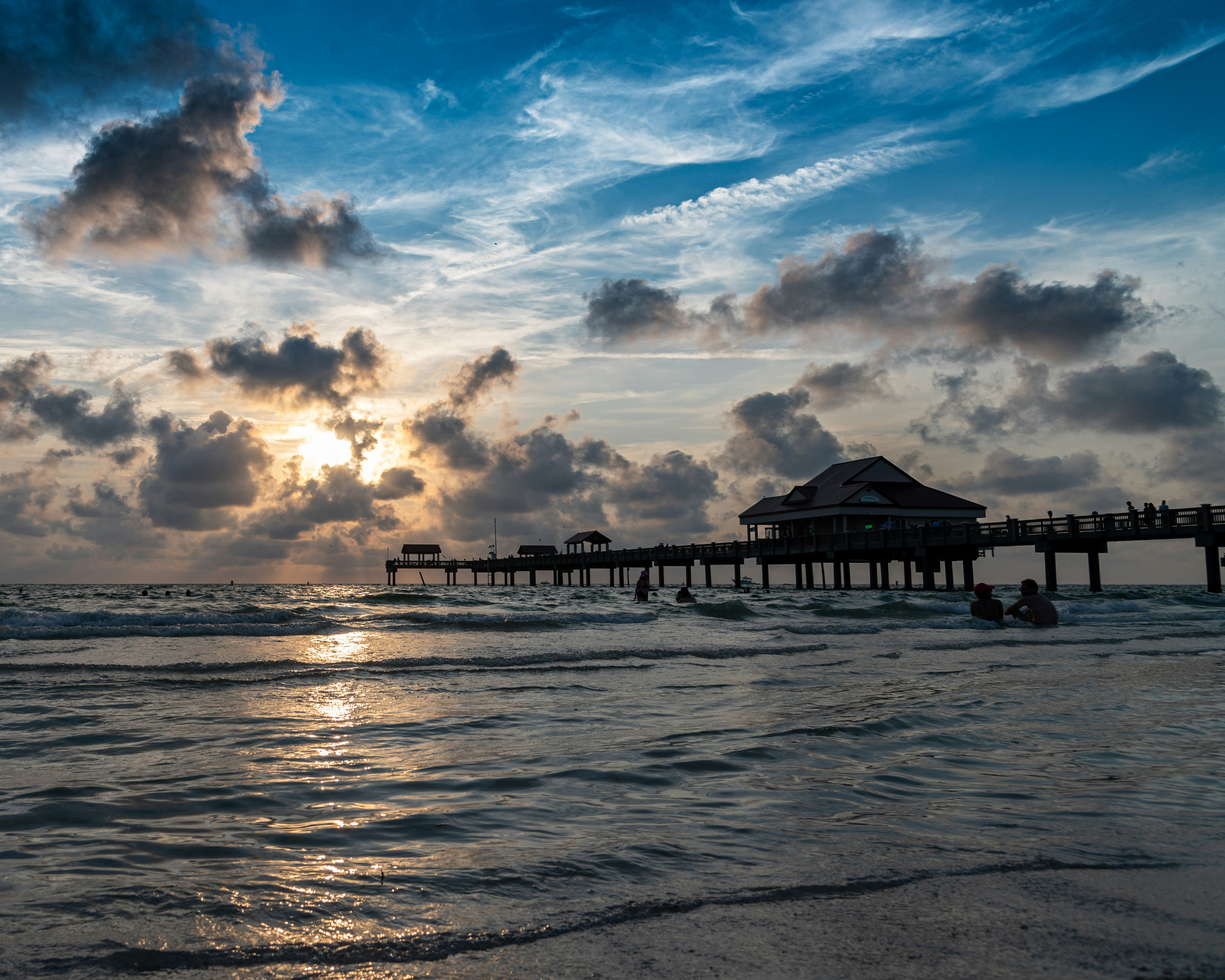
Photo by Richard Sagredo
- Clearwater Beach: Consistently ranked among the top beaches in the United States, Clearwater Beach is known for its soft, white sand and clear, shallow water. The beach walk, pier, playgrounds, and nearby restaurants make it ideal for families and anyone who enjoys a lively beach scene.
- Sand Key Park: Just south of Clearwater Beach, Sand Key offers a quieter, more laid-back stretch of sand with fewer crowds, nature trails, and a more relaxed feel. Many locals prefer Sand Key when they want a peaceful beach day.
- Caladesi Island State Park: Often reached by ferry or private boat, Caladesi Island is a more natural, untouched barrier island with beautiful beaches and walking trails. If you love nature and less-developed shorelines, Caladesi is a special place to explore.
One thing to keep in mind as a future resident: you’ll quickly learn which access points and parking areas work best at different times of day and seasons, especially during spring break and holiday weekends.
Downtown and the Arts Scene
Downtown Clearwater has been steadily reinventing itself, and new residents are benefiting from that momentum. The Cleveland Street District features restaurants, bars, coffee shops, and local businesses, many with views over the water or an easy walk to the waterfront park.
The arts scene includes live music, community theater, galleries, and seasonal festivals. Bigger performances and pro sports are a short drive away in Tampa and St. Petersburg, so you can enjoy concerts, museums, and games without giving up Clearwater’s more relaxed day-to-day feel.
Shopping and Dining
From everyday errands to special nights out, Clearwater covers the basics and then some.
- Everyday essentials: You’ll find plenty of grocery options, big-box stores, pharmacies, and service businesses scattered through town, especially along Gulf-to-Bay Boulevard and around Countryside.
- Local restaurants: Fresh seafood is a highlight, of course, but you’ll also find family-owned Italian spots, Latin-American cuisine, casual waterfront grills, and laid-back breakfast and brunch places.
- Beachfront dining: On Clearwater Beach and Sand Key, you can enjoy sunset dinners, rooftop bars, and restaurants with live music just steps from the sand.
- Nearby shopping hubs: For larger shopping trips, residents often head to Countryside Mall, Clearwater Mall, or cross the bridges to bigger centers in Tampa and St. Pete.
Healthcare
Healthcare access is a major consideration when relocating, and Clearwater does well in this area.
- Morton Plant Hospital: Located just south of downtown Clearwater, Morton Plant is a well-regarded hospital that serves as a key medical center for the region, offering a wide range of specialties and services.
- BayCare network: BayCare operates numerous clinics, urgent care centers, and specialty practices throughout the area, which makes it easier to find primary care and specialists without long drives.
- Additional providers: You’ll also find independent medical practices, dental offices, and senior care options throughout Clearwater and the neighboring communities.
For many new residents, especially retirees or families with specific medical needs, having strong healthcare options nearby is a big reason Clearwater rises to the top of the list.
Cost of Living
Compared to many major coastal cities, Clearwater’s cost of living can feel relatively reasonable, but it’s important to understand a few details.
- Housing: Home prices and rents vary widely depending on proximity to the beach, age of the home, and neighborhood. Waterfront and beach-adjacent properties command a premium, while homes further inland and north often offer more space for the price.
- Taxes: Florida has no state income tax, which is a major draw for many relocating from higher-tax states. Property taxes vary by location and home value, so it’s wise to estimate these as part of your budget.
- Insurance: Property and flood insurance can be higher than you might expect if you’re coming from outside Florida, especially for homes closer to the water. It’s helpful to get quotes early in your home search.
- Everyday expenses: Groceries, gas, and services are generally in line with other Florida metro areas, with some variation depending on where you’re coming from.
Working with someone familiar with the area can help you compare neighborhoods and housing types so your overall cost of living aligns with your long-term plans.
Homes and Real Estate
Clearwater’s housing stock is diverse, which is one reason it works for so many different types of buyers and renters.
- Beachfront and waterfront homes: Condos, townhomes, and single-family homes on Clearwater Beach, Sand Key, and along the Intracoastal appeal to those who want water views, boat access, and easy beach days.
- Suburban neighborhoods: Areas in Countryside, North Clearwater, and near Safety Harbor and Dunedin offer more traditional suburban layouts with single-family homes, cul-de-sacs, and community amenities.
- Established neighborhoods: Older parts of Clearwater feature mid-century homes and bungalows with mature trees and more character. These can be great options if you’re open to updating a home over time.
- Condos and villas: If you’d rather avoid yard work, Clearwater has many condo and villa communities, some with pools, fitness centers, and social activities.
Because each pocket of Clearwater can have its own price range and feel, it helps to talk through your budget, preferred commute, and lifestyle so you can focus on the neighborhoods that truly fit.
Things to Do Throughout the Year
Living in Clearwater means there’s always something on the calendar, especially if you enjoy being outside or around the water.
- Clearwater Jazz Holiday: A long-running music festival that brings big-name and up-and-coming jazz artists to the area, drawing locals and visitors alike.
- Ironman and endurance events: The Clearwater area hosts endurance races and athletic events that energize the waterfront and draw competitors from all over.
- Beach festivals and events: From sand sculpture competitions to holiday fireworks and sunset celebrations at Pier 60, Clearwater Beach stays lively throughout the year.
- Farmers markets and art walks: Nearby communities like Dunedin and Safety Harbor host regular markets and art events that many Clearwater residents enjoy attending.
- Everyday fun: Boat tours, dolphin-watching cruises, fishing charters, local sports leagues, yoga on the beach, and casual live music nights are all part of the rhythm of life here.
Frequently Asked Questions
Here are a few of the questions people most often ask when they’re considering a move to Clearwater:
- What is the weather really like year-round? Expect hot, humid summers with afternoon storms, mild to warm winters, and plenty of sunshine. Most residents adapt with good air conditioning, early-morning outdoor time, and a healthy respect for storm season.
- How bad is traffic, especially near the beach? During peak tourist seasons and rush hours, traffic to and from Clearwater Beach can be slow. Living on the beach or choosing neighborhoods with multiple route options can help, and locals quickly learn the best times and back roads.
- Is Clearwater a good place for families? Families appreciate the beaches, parks, sports programs, and access to schools and healthcare. As with any area, you’ll want to look at specific school zones and neighborhoods to find the best fit.
- What should I know about hurricanes? Clearwater, like all of coastal Florida, is vulnerable during hurricane season. Most residents follow local guidance, keep a basic storm kit, and understand evacuation routes. Well-built homes and proper insurance are important parts of living here.
- Do I need a car, or can I get by without one? Many people rely on a car for daily life, though some beach residents and downtown dwellers walk or bike more often. Public transit and rideshare options exist, but a car generally gives you the most flexibility.
Thinking About Moving to Clearwater?
If you’re picturing your life here — beach walks at sunset, weekend trips to nearby towns, and a home that fits your Florida dreams — the next step is getting personalized guidance. Every relocation story is different, and having someone who knows the neighborhoods, the market, and the small details can make your move much smoother.
If you’re considering a move to Clearwater, I’d be happy to talk through your plans, answer your questions, and help you narrow in on the areas and homes that make the most sense for you.

